Start with the buyer, not the floor plan
Before any advertising, answer three things. Who will buy? Where do they work? How much can they borrow? The cheapest research is to walk the projects within a few kilometres: which houses sold, which are still empty, and at what price. Then choose your plans and prices. We can't give you market numbers, because every location is different.
Sell first, or build first?
| Approach | Upside | Watch out for |
|---|---|---|
| Pre-sale | Needs less capital; you learn demand before you build | Licences must be in place first, and buyers are slow to trust what they can't see |
| Show house first | Buyers can walk in and touch the materials | Money is tied up in the first house |
| Build everything first | Ready to transfer; easy for banks to value | Needs the most capital, and interest runs if sales are slow |
Most first projects take the middle path: build one show house as well as you can, then open bookings for the rest.
What you advertise, you must deliver
New developers often slip here. Under the Land Development Act, advertising for a licensed project must match what was approved, and under consumer protection law what you advertise is treated as part of your deal with the buyer. If the brochure shows a pool, a garden or a clubhouse and you don't build it, buyers can make a claim.
- If your project needs an allotment licence, don't start selling before you have it.
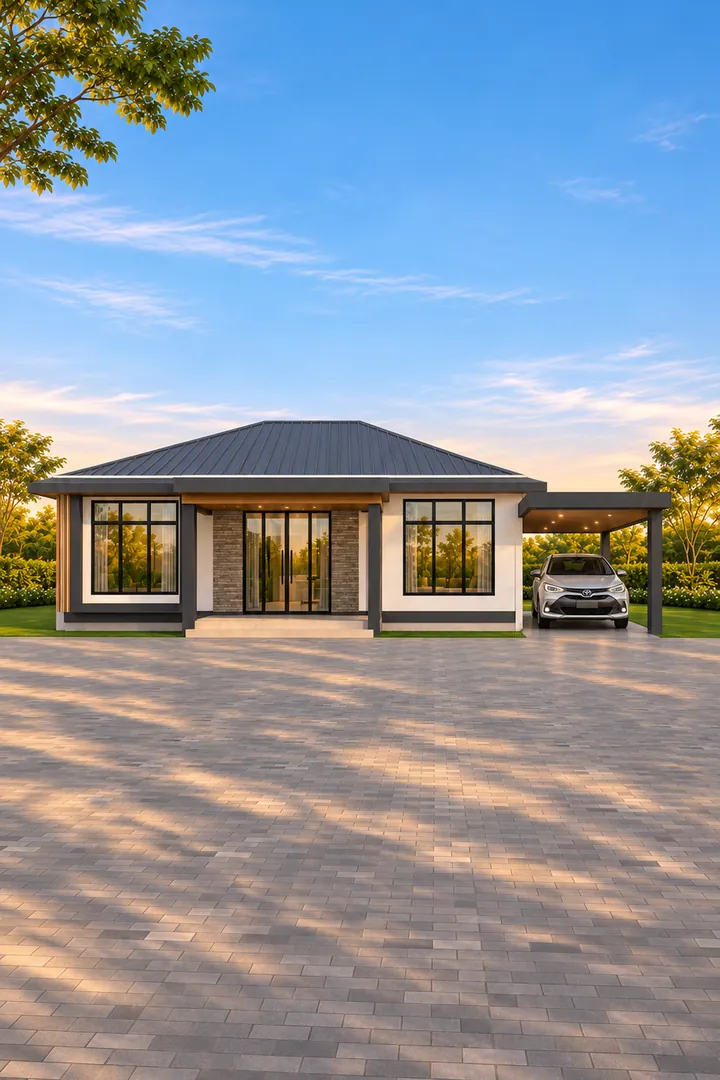
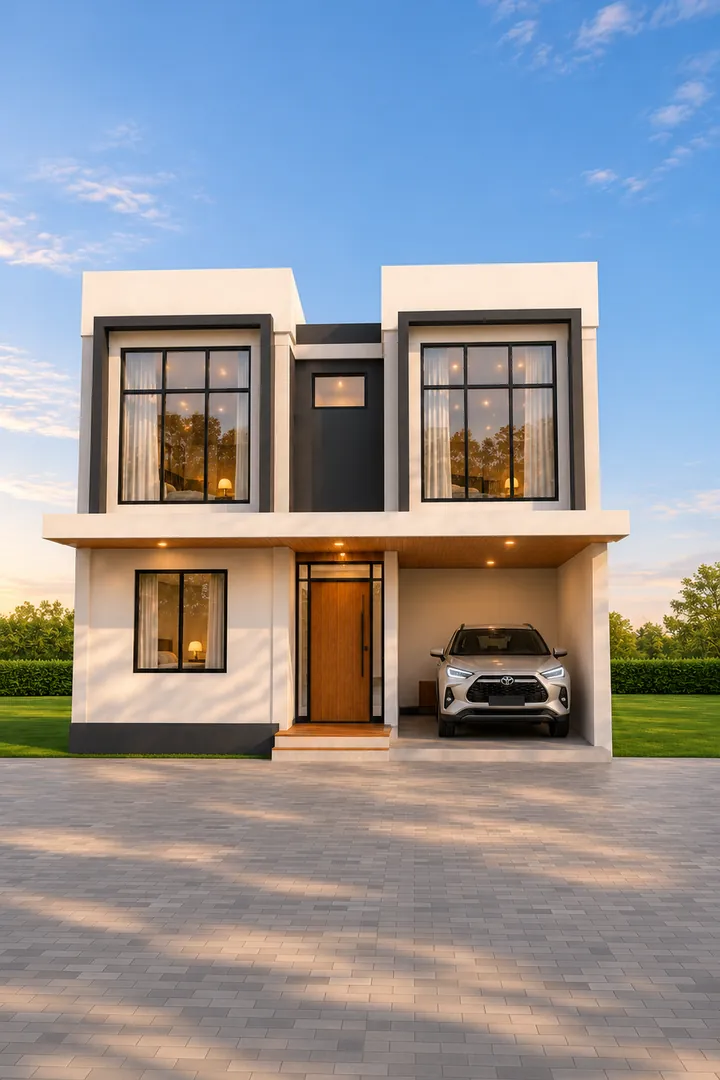
- Keep 3D images true to what will be built, in materials and in size.
- Say clearly what the price includes and excludes: transfer costs, meters, common fees.
- Use the standard sale contract set by the Central Land Allotment Committee.
Channels that don't need a big budget
- A Google Maps pin with real photos and opening hours. Local buyers search the map first.
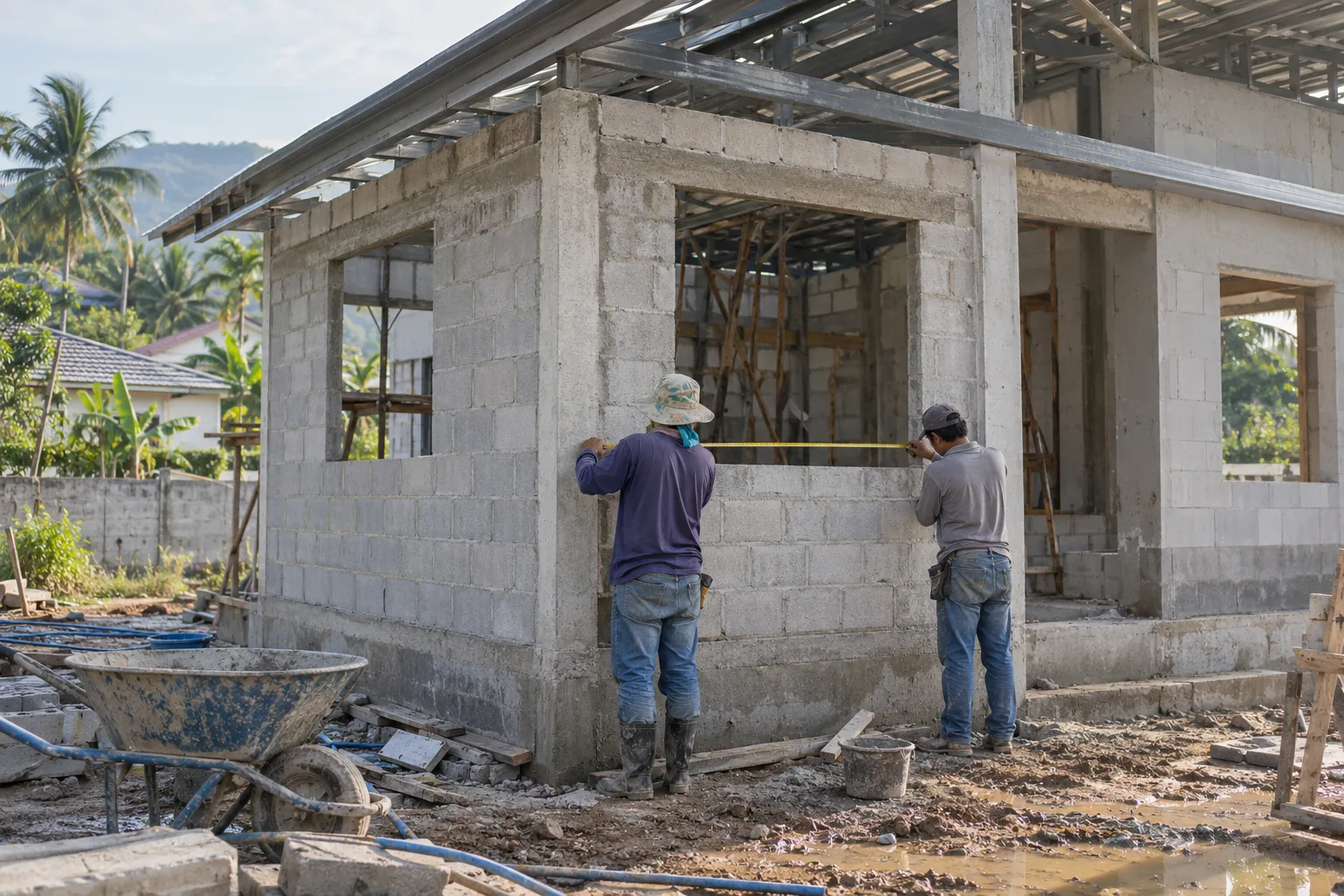
- Short site videos, from piling to handover. They don't need to be pretty, just real. Buyers want to see what's inside the wall.
- Local Facebook groups. Teach before you sell, and read each group's rules; many don't allow links.
- A project web page. One page is enough: plans, prices, a map, how to reach you.
- A sign at the site. It still works. People who drive past every day are your nearest buyers.
Show your numbers
We publish house plans with every BOQ line for free. The result: people who contact us already know the price and specification, and nobody wastes time guessing. Your project can do the same. Show the materials list for each house type, with brands, models and warranty, before a buyer books. Trust sells houses better than discounts.
Agents and sales staff
If you use agents, write down when commission is paid (at booking, contract or transfer) and who answers if an agent promises more than the project has. In the end, the one liable to the buyer is you.
This article is general information, checked against public sources in November 2026. Laws change and every case is different. Before you sign or pay anything large, have a Thai lawyer review your own documents.
Planning to build? See every item before you decide.
Send your location, plans or photos and we will come back with an initial scope of work.

Frequently asked questions
Should a small project pre-sell?
It can once the licences are in place, but most first projects build one show house first, because buyers decide more easily when they can see the real thing.
Is project advertising binding on the seller?
Yes. What you advertise is treated as part of the deal with the buyer, and advertising for a licensed allotment project must match the approval.
Which online channels suit a small project?
Start with Google Maps, short videos from the real site, local Facebook groups, and a one-page project site with plans, prices and a map.